

Every time you visit a website and notice a banner at the top of the page, a rectangle ad in the sidebar, or a visual promotion between articles, you are seeing display advertising in action. It is one of the most recognizable forms of online marketing and has been a core part of digital campaigns since the early days of the internet.
Display advertising gives brands a visual presence across millions of websites and apps. Whether the goal is to build brand awareness, stay visible to past visitors, or drive direct conversions, display campaigns offer a flexible and measurable way to reach the right audience at the right moment. This guide explains what display advertising is, how it works, its key benefits, and what effective use looks like in practice.
What Display Advertising Means
Display advertising refers to visual ads placed on websites, mobile apps, and digital platforms — outside of search engine results pages. These ads typically combine images, text, and sometimes animation or video to attract attention and deliver a message.
Unlike search ads, which appear when someone actively types a keyword into a search engine, display ads are shown to users while they browse content such as news articles, blogs, or entertainment sites. The goal is to reach people based on who they are or what they have done, not just what they are searching for right now.
Display ads are delivered through ad networks such as the Google Display Network (GDN), which connects advertisers with thousands of publisher websites. Advertisers set targeting criteria, upload their creative assets, and the network handles placement and delivery automatically.
How Display Advertising Works
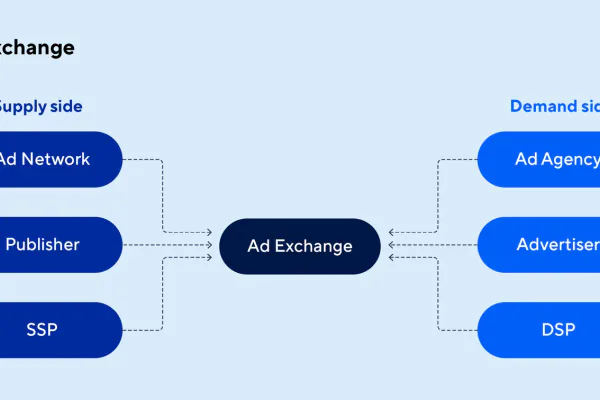
The process behind display advertising involves three main players: the advertiser, the publisher, and the ad network or platform that connects them.
- Advertiser creates ads and sets targeting, budget, and bidding preferences.
- Ad network matches the advertiser’s criteria with available ad slots on publisher websites.
- Publisher earns revenue when their site displays the advertiser’s ad to visitors.
Targeting options allow advertisers to reach specific audiences. Common targeting methods include:
- Contextual targeting: Ads appear on pages related to specific topics or keywords.
- Audience targeting: Ads are shown based on demographics, interests, or browsing behavior.
- Retargeting (remarketing): Ads follow users who previously visited the advertiser’s website.
- Placement targeting: Advertisers choose specific websites or apps for their ads to appear on.
Bidding works through real-time auctions. Every time a page loads, an automated auction determines which ad to show based on bid amount, ad quality, and relevance. This entire process takes milliseconds and happens behind the scenes without any manual involvement.
Key Benefits of Display Advertising
Display advertising offers distinct advantages that make it a valuable tool in a well-rounded marketing strategy.
Wide Reach
The Google Display Network alone reaches over 90% of internet users worldwide across more than two million websites and apps. This scale makes display advertising one of the fastest ways to put a brand in front of large audiences.
Visual Brand Building
Display ads communicate visually. Logos, brand colors, and product images help reinforce brand recognition even when users do not click. Repeated exposure builds familiarity, which contributes to trust and recall over time.
Precise Audience Targeting
Advertisers can narrow their audience by age, location, device, browsing behavior, and more. This precision reduces wasted spend and increases the relevance of every impression delivered.
Retargeting Power
One of the strongest use cases for display advertising is retargeting — showing ads to people who already visited your site but did not convert. These users are already familiar with your brand, so a well-timed reminder ad can bring them back to complete a purchase or inquiry.
Measurable Performance
Display campaigns provide detailed data on impressions, clicks, conversions, and costs. Marketers can adjust targeting, creative, and bids based on real results, making display advertising a trackable investment rather than guesswork.
Common Display Ad Formats
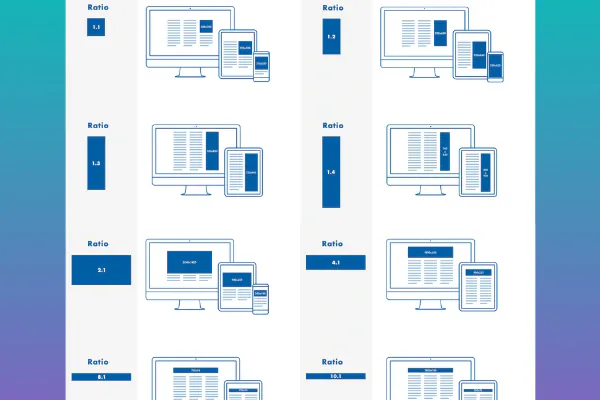
Display advertising includes several creative formats, each suited to different goals and placements.
Banner Ads
The most traditional format. Common sizes include the leaderboard (728×90 pixels), medium rectangle (300×250), and wide skyscraper (160×600). These static or animated image ads appear in designated slots on publisher sites and are easy to produce at scale.
Responsive Display Ads
Google’s automated format where advertisers upload multiple headlines, descriptions, and images. The system tests combinations and automatically resizes the ad to fit available placements — useful for reaching more inventory without manual resizing for every size.
Rich Media Ads
Interactive ads that may expand, include video, or respond to user behavior. They drive higher engagement but require more production effort and are often used in high-impact brand awareness campaigns.
Interstitial Ads
Full-screen ads that appear between content, commonly in mobile apps. They tend to have higher visibility but can feel intrusive if shown too frequently, so frequency capping is important with this format.
Retargeting Ads
Personalized display ads shown to previous site visitors. These often feature the exact products a user viewed, creating a highly relevant message that encourages return visits and conversions.
Display Advertising Examples in Practice
Real-world examples make display advertising easier to apply to your own strategy.
Ecommerce Brand
An online clothing store runs a retargeting campaign. Users who viewed a jacket but did not buy see banner ads featuring that exact jacket as they browse other sites. The ad includes a discount code and a clear call to action, lowering the barrier to return and complete the purchase.
SaaS Company
A project management software company targets marketing managers and team leads based on professional interests. Their responsive display ads appear on business and productivity blogs, driving traffic to a free trial sign-up page for a warm, relevant audience.
Local Business
A dentist’s office uses geographic targeting to show display ads to people within a 10-mile radius. The ads highlight a new patient promotion and link to an online booking page, turning passive browsing into appointment bookings from a local audience.
Best Practices for Better Results
Display advertising only performs well when campaigns are set up and maintained thoughtfully. Key practices that consistently improve results include:
- Clear, simple visuals: Display ads have limited space and attention time. Use one clear image, a brief headline, and a visible call to action.
- Strong call to action: Phrases like “Get a Free Quote,” “Shop Now,” or “Start Your Trial” tell users exactly what step to take next.
- Landing page alignment: The page a user reaches after clicking should match the promise in the ad. Mismatched messaging increases bounce rates and wastes budget.
- Frequency capping: Limit how often a single user sees the same ad to avoid fatiguing potential customers and draining impressions on uninterested viewers.
- Audience segmentation: Run separate ad sets for cold audiences versus warm retargeting audiences. Each group responds to different messaging and offers.
How to Measure Display Advertising Success
Tracking performance is essential to improving display campaigns over time. Key metrics to monitor include:
- Impressions: How many times the ad was shown. Most relevant for brand awareness goals.
- Click-Through Rate (CTR): Percentage of viewers who clicked the ad. A low CTR may signal weak creative or poor targeting.
- Conversions: Actions taken after clicking, such as purchases, sign-ups, or form completions.
- View-Through Conversions: Conversions from users who saw the ad but did not click — helps measure indirect impact.
- Return on Ad Spend (ROAS): Revenue generated per dollar spent. The primary measure of overall campaign efficiency.
- Cost Per Acquisition (CPA): How much it costs to earn one conversion, useful for evaluating campaign profitability.
When Display Advertising Makes Sense
Display advertising works best in specific situations. It is most effective when you want to build brand awareness among audiences who are not yet actively searching for your product — ideal for new product launches, seasonal promotions, and entering new markets.
It also excels for retargeting. If you already have website traffic but low conversion rates, display retargeting is one of the most cost-efficient ways to recover lost opportunities without acquiring entirely new visitors.
Display advertising complements other channels well. Pair it with search ads to capture demand at multiple funnel stages. Use it alongside content marketing to keep blog readers engaged after they leave your site. Combine it with social media to extend reach across different digital touchpoints throughout the buyer journey.
If your budget is very limited and your primary goal is immediate direct response, search advertising may offer faster ROI for high-intent queries. Display advertising tends to require sufficient frequency and budget to build meaningful impact, and results often take longer to materialize compared to search campaigns.
When used with clear goals, strong creative, and consistent measurement, display advertising can drive both awareness and conversions for businesses of any size — making it a versatile and enduring channel in any digital marketing strategy.
