
Every time you open a website and see a banner ad that feels oddly relevant to something you were just searching for, there is a good chance programmatic advertising is behind it. In its simplest form, programmatic advertising is the automated buying and selling of digital ad space. Instead of a human negotiating a deal with a publisher’s sales team and signing a contract, software handles the entire transaction in milliseconds.
If you have heard the term in a marketing meeting but were not sure where to begin, this guide is for you. No technical background is required. By the end, you will understand how the system works, who the key players are, why marketers rely on it, and what to watch out for before you spend your first dollar.
What Programmatic Advertising Actually Means
Programmatic advertising is a method of buying digital ad placements through automated technology rather than direct human negotiation. The word programmatic simply means “done by a program” — software that follows predefined rules to make purchasing decisions on an advertiser’s behalf.
Before this model existed, buying a banner ad on a website meant contacting the publisher, agreeing on a price, sending over creative files, and waiting for the placement to go live. This process was slow, expensive, and limited in reach. Programmatic advertising changed that by connecting advertisers and publishers through a shared technology layer that operates continuously and at enormous scale.
What Makes It Different from Boosting a Post or Running a Search Ad
Not all digital advertising is programmatic. Running a Google Search campaign or boosting a Facebook post involves platforms managing placement within their own closed ecosystem. Programmatic advertising works across many different websites, apps, and video platforms outside those walled gardens — it is an open system that connects many publishers with many advertisers through shared marketplaces.
How a Programmatic Ad Is Bought in Seconds
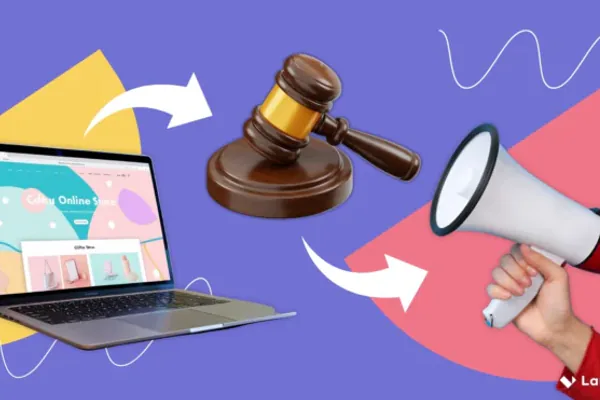
The speed of programmatic advertising is what makes it remarkable. Here is what happens the moment a real person visits a webpage that has a programmatic ad slot available:
- User visits a page. Someone opens a news article, a cooking blog, or a sports site. The page has open ad space.
- An auction is triggered. In milliseconds, the publisher’s system sends a signal to an ad exchange announcing that an impression is available, along with anonymous data about the visitor such as general location, device type, and browsing context.
- Bids are submitted automatically. Multiple advertisers who have set up campaigns receive the auction notice. Their software calculates a bid price based on how valuable that impression is to their campaign goals.
- The highest bid wins. The ad exchange selects the winner. In most cases, the winner pays just above the second-highest bid rather than their full maximum price.
- The ad loads. The winning creative is pulled from a server and appears in the user’s browser. The entire sequence takes roughly 100 milliseconds — faster than a blink.
This process is called Real-Time Bidding (RTB) and it is the core engine behind most programmatic advertising. Every ad impression goes through this auction independently, which means targeting and pricing can shift from one impression to the next.
The Main Players Behind the System

Understanding programmatic advertising becomes much easier once you know who does what. There are six key roles in the ecosystem:
Advertisers
Brands or businesses that want to show ads to specific audiences. They set budgets, define targeting rules, upload creative files, and monitor performance results.
Demand-Side Platforms (DSPs)
Software used by advertisers to manage programmatic buying. A DSP connects to multiple ad exchanges, applies audience targeting automatically, and submits bids. Examples include The Trade Desk, Google’s DV360, and Amazon DSP.
Publishers
Websites, apps, or streaming services that have ad space to sell. When you visit a blog and see a display ad in the sidebar, that blog is acting as a publisher.
Supply-Side Platforms (SSPs)
The publisher’s equivalent of a DSP. An SSP helps publishers list available ad inventory across multiple exchanges and maximize the revenue earned from each impression.
Ad Exchanges
The digital marketplaces where DSPs and SSPs meet to conduct auctions. Think of them as a stock exchange, but for ad impressions rather than company shares.
Data Providers
Third-party companies and Data Management Platforms (DMPs) that supply audience information — such as interest categories, behavioral signals, and purchase intent data — to make ad targeting more precise.
Why Marketers Use Programmatic Advertising
Programmatic advertising has become the default method for buying digital display ads for good reasons. Here are the core advantages:
- Speed and scale: A single campaign can serve ads across thousands of sites simultaneously without manual setup on each one.
- Precise targeting: Advertisers can reach audiences based on demographics, interests, device type, location, past website behavior, and more.
- Real-time optimization: Because performance data flows continuously, campaigns can adjust bids and rotate creatives automatically toward what is working best.
- Competitive pricing: The auction model keeps costs tied to real demand rather than inflated rate cards negotiated by sales teams.
- Retargeting: Advertisers can show ads to users who previously visited their website as those users browse other sites — a proven way to recover lost conversions.
- Measurable results: Detailed reporting on impressions, click-through rates, viewability, conversions, and cost per outcome comes standard.
Common Types of Programmatic Buying
Not all programmatic advertising works the same way. There are four main buying models, each offering different levels of control and exclusivity:
Open Auction
The standard model. Any advertiser with access to a DSP can bid on available inventory. Competition is open, prices reflect live market demand, and there are no guaranteed placements. This is the most accessible entry point for beginners.
Private Marketplace (PMP)
A publisher invites a select group of advertisers to a private auction. Inventory here is typically higher quality or more brand-safe than open auction inventory, and buyers have more visibility into where their ads will appear.
Preferred Deals
A one-to-one agreement between a single advertiser and a single publisher at a fixed price. The advertiser gets first access to specific inventory before it enters any auction but is not required to buy it.
Programmatic Guaranteed
The closest model to traditional direct buying. A fixed price and a guaranteed number of impressions are agreed upon in advance, but the deal runs through programmatic technology rather than manual insertion orders. Large brands use this for premium placements such as homepage takeovers.
Beginner Terms You Will See Often
The programmatic world comes with its own vocabulary. These are the terms you will encounter most frequently:
- Impression: One instance of an ad being displayed to a user.
- CPM (Cost Per Mille): The price paid per 1,000 impressions — the most common pricing unit in programmatic.
- CTR (Click-Through Rate): The percentage of people who clicked an ad out of all who saw it.
- Viewability: A measure of whether an ad was actually visible on screen rather than hidden below the fold or loaded but never seen.
- Retargeting: Showing ads to users who have already interacted with your brand or visited your site.
- Brand Safety: Ensuring ads do not appear next to content that could damage a brand’s reputation.
- Frequency Cap: A limit on how many times the same user sees the same ad within a given period.
- Floor Price: The minimum price a publisher will accept for an impression. Bids below this threshold are rejected automatically.
The Biggest Risks and Misunderstandings
Programmatic advertising is powerful, but beginners often run into problems when they assume the technology handles everything. These are the most important risks to understand before launching a campaign:
Ad Fraud
Some low-quality websites use bots to generate fake impressions, charging advertisers for views that no real human ever saw. Ad fraud is a documented and ongoing problem in open auction programmatic buying. Using private marketplaces, verified publisher lists, and fraud detection tools significantly reduces exposure.
Poor Targeting Wastes Budget Fast
Programmatic advertising is only as precise as the audience rules you configure. Overly broad targeting burns spend on users who will never convert. Defining a specific, realistic audience before launching is one of the most important steps a beginner can take.
Brand Safety Is Not Automatic
An ad appearing next to harmful or inflammatory content can cause real reputational damage. Open auctions carry higher brand safety risk because you have less control over placement. Using inclusion and exclusion lists inside your DSP helps manage this.
Automation Does Not Replace Strategy
The most common misunderstanding is that programmatic campaigns run themselves. The technology automates the buying process, but it cannot define your goals, write compelling ad copy, or decide whether you are targeting the right audience. Strategic thinking remains a human responsibility.
How to Start Small Without Getting Overwhelmed
If you want to test programmatic advertising without overcommitting, here is a practical starting path:
- Set one clear goal. Brand awareness, website traffic, and retargeted conversions each require different setups. Pick one to start.
- Choose a single channel. Display ads across the open web are the most beginner-friendly entry point. Add video, connected TV, or audio programmatic later once you understand the basics.
- Define a narrow audience. Use your existing customer data as a reference. A specific audience segment will always outperform a vague, broad one.
- Start with retargeting. Audiences who already know your brand convert at higher rates. Retargeting campaigns are forgiving for beginners.
- Test two or three creatives. Never rely on a single ad. Test different messages and visuals to learn what resonates.
- Track three metrics only. Impressions, CTR, and conversions are enough to start. Avoid drowning in data before you understand what matters.
- Review weekly and adjust. Pause underperforming placements and shift budget toward what is working.
Programmatic Advertising vs Traditional Digital Ad Buying
Understanding what programmatic advertising replaced helps clarify when to use it and when an older approach still makes sense.
Traditional Direct Buying
An advertiser contacts a publisher directly, negotiates a price, and agrees on a guaranteed number of impressions or a fixed time period. The process takes days or weeks but offers complete control over placement and guaranteed visibility on a specific, known publication. Major brand launches and homepage takeovers on premium media sites often still use this model.
Programmatic Buying
Automated, immediate, and data-driven. It accesses thousands of sites at once and targets users based on behavioral and demographic signals rather than the reputation of a single publication. It is built for reaching a specific type of person wherever they happen to be browsing.
- Use direct buying when guaranteed placement on a specific premium site is the priority, or when brand safety requirements are extremely strict.
- Use programmatic buying when you want to reach a defined audience at scale, need real-time optimization, or are working with a budget that should shift automatically toward performance.
For most businesses entering digital display advertising for the first time, programmatic offers a more efficient, measurable, and flexible starting point than traditional direct deals.
Conclusion
Programmatic advertising is not as complicated as it sounds. At its core, it is a faster and smarter way to buy digital ad space — one where software handles the negotiation so you can focus on strategy. Knowing the key players, the flow of a real-time auction, and the vocabulary that comes with the territory is enough to begin with confidence.
Like any marketing channel, results depend on how clearly you define your audience, how strong your creative is, and how actively you manage your campaigns. The automation handles the mechanics — the thinking is still yours. Start small, set one clear goal, and treat your first campaigns as learning experiences rather than final results.
