
Marketing is one of those words that almost everyone uses but few people can clearly define. Ask ten different people what marketing means and you will likely get ten different answers — some will say it is advertising, others will say it is sales, and a few might mention social media or branding. The truth is that marketing is all of these things, and much more.
At its core, marketing is the process of connecting the right product or service with the right people at the right time. It is how businesses discover what customers need, shape offerings to meet those needs, and communicate why those offerings are worth choosing. Whether you are running a small local shop or a growing online brand, marketing is the engine that drives awareness, trust, and sales.
This guide breaks down marketing in plain English. You will learn what marketing really means, how it works step by step, and what beginner-friendly strategies you can use to start growing your business or brand today.
What Marketing Really Means
Marketing is often mistaken for just advertising or selling. While both are part of marketing, they are only two pieces of a much larger puzzle. The American Marketing Association defines marketing as the activity, set of institutions, and processes for creating, communicating, delivering, and exchanging offerings that have value for customers, clients, partners, and society at large. In simpler terms: marketing is about understanding people, creating something they want, and letting them know it exists.
Marketing Is Not Just Advertising
Advertising is a paid, one-way message sent to a large audience. Marketing includes advertising but also covers a much wider range of activities:
- Research to understand your customers deeply
- Product design based on what people actually need
- Pricing decisions that reflect perceived value
- Choosing where and how to sell your product
- Building lasting relationships after a purchase
Marketing Is Not Just Selling
Selling is about convincing someone to buy. Marketing does the work before the sale ever happens — it creates demand, builds awareness, and earns trust so that by the time a customer reaches the checkout, they already want what you are offering. Great marketing makes selling almost effortless.
How Marketing Works From Start to Finish
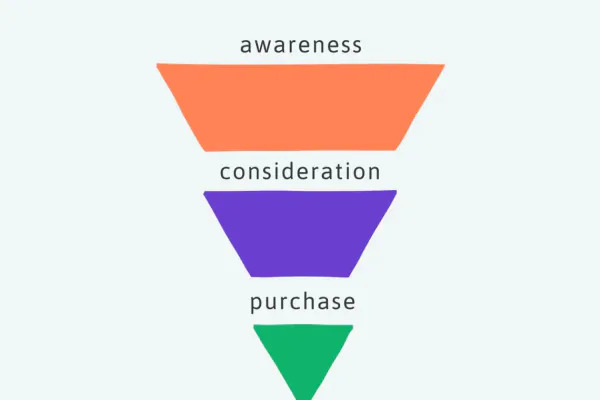
Marketing is a continuous cycle, not a one-time task. Understanding the full process helps beginners see how each decision connects to the next.
- Research your audience — Find out who your ideal customers are, what they need, and what problems they face daily.
- Define your offer — Shape your product or service around what your audience actually wants, not just what you want to sell.
- Choose your channels — Decide where you will reach your audience: social media, search engines, email, or in person.
- Craft your message — Write and design content that speaks directly to your customer’s needs, goals, and emotions.
- Launch and distribute — Put your message in front of your audience through your chosen channels consistently.
- Measure results — Track what is working and what is not using data and analytics tools.
- Adjust and improve — Use what you learn to refine your approach and repeat the cycle smarter each time.
This process ensures that your marketing stays relevant, efficient, and constantly improving over time rather than stagnating.
The Core Elements Behind Every Marketing Strategy
Every successful marketing campaign is built on a foundation of key elements. Understanding these gives you a clear and confident starting point before spending a single dollar.
Target Audience
A target audience is the specific group of people most likely to buy your product or service. The more clearly you define this group — by age, interests, location, income, or behavior — the more effective your marketing will be. Trying to reach everyone usually means reaching no one effectively.
Value Proposition
Your value proposition is a clear statement that explains how your product solves a problem, what benefits it delivers, and why a customer should choose you over competitors. It is the single most important sentence in all of your marketing.
Positioning and Messaging
Positioning is how you want customers to think about your brand compared to the competition. Are you the affordable option? The premium choice? The fastest solution? Your position shapes every piece of content, ad, and interaction you create. Messaging then translates that position into words customers actually connect with.
Goals and Budget
Without clear goals — such as growing email subscribers by 20% or increasing website traffic by 500 visitors per month — it is impossible to measure success. A defined budget ensures you spend wisely across channels rather than spreading yourself too thin.
The 4 Ps in Simple Terms
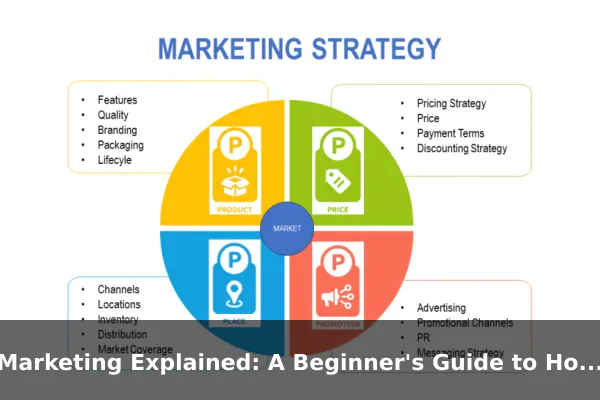
The 4 Ps of marketing, also called the Marketing Mix, is one of the most foundational frameworks in the field. Introduced in the 1960s by marketing scholar E. Jerome McCarthy, it remains widely used because it covers every critical decision a marketer must make in a simple, memorable way.
Product
This is what you are selling — a physical item, a digital product, or a service. The product needs to meet a real need or solve a real problem for your target audience. Before you market anything, make sure the product itself is genuinely worth buying.
Price
Pricing affects how customers perceive your product and directly impacts your profit margin. A high price signals premium quality; a low price signals accessibility and value. Your pricing should reflect your value proposition and align with what your market is both willing and able to pay.
Place
Place refers to where and how customers can access your product. This could be an online store, a physical retail location, a marketplace like Amazon, or a direct subscription service. The key principle is simple: be where your customers already are.
Promotion
Promotion covers everything you do to make people aware of your product — advertising, social media posts, email campaigns, influencer partnerships, public relations, and more. It is the most visible part of marketing, which is why many beginners mistake it for the entire discipline.
Digital Marketing vs Traditional Marketing
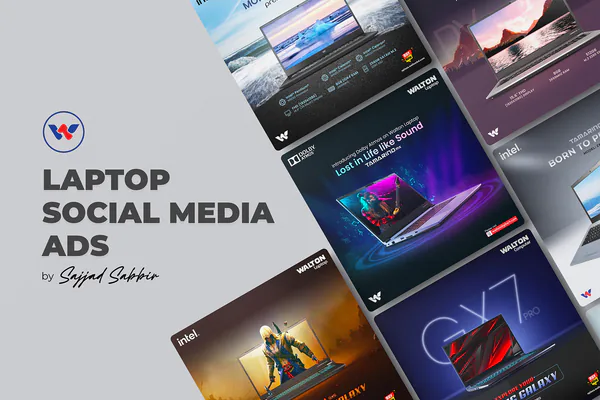
Marketing today operates in two main worlds: digital and traditional. Understanding the difference helps you make smarter decisions about where to invest your time and budget as a beginner.
Traditional marketing includes print ads in newspapers and magazines, television and radio commercials, billboards and outdoor signage, direct mail such as flyers and catalogues, and events or trade shows. It tends to work well for reaching broad or local audiences and building brand credibility in established markets.
Digital marketing includes search engine optimization, social media marketing, email marketing, content marketing through blogs and videos, and paid digital advertising on platforms like Google and Facebook. It offers precise targeting, fully measurable results, and far lower entry costs — making it particularly attractive for small businesses and startups with limited budgets.
Most modern businesses use a blend of both. A local restaurant might use Instagram to promote daily specials while also running a coupon in the community newspaper. The best approach is not either-or — it is finding the right mix for your audience and your goals.
Popular Marketing Channels Beginners Should Know
A marketing channel is the platform or method you use to reach your audience. Rather than trying every channel at once, beginners benefit most from understanding each option and picking the one or two that fit their audience best.
Search Engine Optimization
SEO is the practice of optimizing your website and content so it ranks higher in search engine results. When someone searches for a problem you solve, a well-optimized page can bring them directly to your site at no ongoing cost per click.
Social Media Marketing
Platforms like Instagram, Facebook, LinkedIn, and TikTok allow you to build an audience, share content, and interact directly with customers. Social media is especially effective for brand awareness, community building, and visual storytelling.
Email Marketing
Email consistently delivers some of the highest returns of any marketing channel. By building an email list, you can send personalized offers, useful updates, and exclusive content directly to people who have already expressed interest in your brand.
Content Marketing and Paid Advertising
Content marketing involves creating valuable, informative material — blogs, videos, guides, podcasts — that attracts your audience naturally over time and positions your brand as a trusted authority. Paid advertising on Google or social platforms, by contrast, allows you to reach a specific audience quickly with measurable and adjustable spend.
Common Marketing Mistakes Beginners Make
Learning what to avoid is just as valuable as knowing what to do. These are the most common and costly beginner mistakes in marketing:
- Trying to target everyone — The broader your audience, the weaker your message becomes. Speak to a specific person with a specific problem.
- Focusing on features instead of benefits — Customers do not care that your software has 50 features. They care that it saves them two hours every day. Always frame marketing around the outcome the customer receives.
- Ignoring data — Marketing without measurement is guessing. Use free tools like Google Analytics to track what is working and cut what is not.
- Inconsistent branding — Using different tones, logos, or messaging across platforms confuses customers and weakens trust over time.
- Expecting instant results — Organic strategies like SEO and content marketing take months to build momentum. Beginners who quit early miss the payoff entirely.
Key Takeaways for Getting Started
Marketing does not have to be complicated or expensive to be effective. Here are the most important lessons for any beginner stepping into this field:
- Marketing starts with understanding your customer — everything else is built on top of that foundation.
- The 4 Ps give you a complete framework for any marketing decision you will ever face.
- Digital marketing offers low-cost, measurable entry points that are ideal for beginners and small businesses.
- Choose one or two channels, master them completely, then expand — trying to be everywhere at once leads to burnout and poor results.
- Consistency and clarity outperform budget, especially in the early stages of building a brand.
- Always measure your results and be willing to adjust based on what the data actually shows you.
Marketing is not just a department or a budget line — it is a mindset and a system. It begins with genuine curiosity about your customers and a commitment to delivering real, lasting value. Businesses that understand this truth do not just run campaigns; they build movements. When you get marketing right, growth stops feeling like a struggle and starts feeling inevitable.
