

Every visitor who lands on your website is looking for something — but not everyone is ready to buy. Some people are just curious. Others are comparing options. A small group is ready to pull out their credit card right now. Understanding buyer intent means being able to tell the difference, and then responding with exactly the right message at the right moment.
In modern marketing, delivering the right content to the right person at the right time is no longer a nice-to-have — it is the baseline for competing. Buyer intent gives marketers a structured way to read the signals people send through their searches, page visits, and online behavior, and to build strategies that meet them where they are. This article breaks down what buyer intent means, the main types, how to recognize them, and real examples you can apply immediately.
What Buyer Intent Means in Marketing
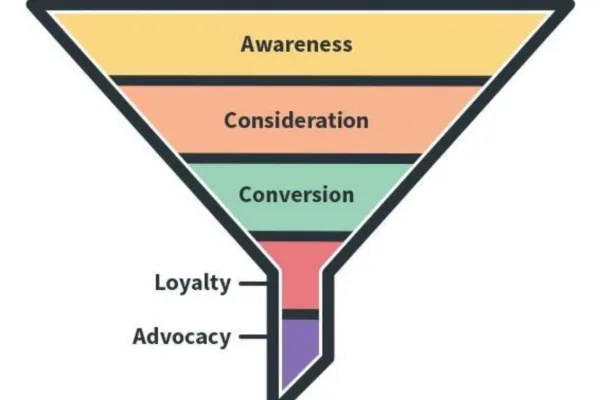
Buyer intent refers to the underlying motivation or purpose behind a person’s search query, website visit, or online action. It is the signal of how close — or how far — someone is from making a purchase decision. When a marketer understands buyer intent, they understand what a person actually needs at that moment, not just what keywords they typed.
It is important to distinguish buyer intent from general audience interest. Someone reading a post titled “What is email marketing?” has general curiosity. That is very different from someone searching “best email marketing software for small business under $50/month” — who is clearly in evaluation mode and far closer to a buying decision. Buyer intent is about reading those subtle but meaningful differences.
Intent is shaped by several factors:
- The specific words used in a search query
- The stage of the buying journey the person appears to be in
- Past behavior, such as return visits, pricing page views, or cart additions
- Context, including device used, time of day, and referring source
When you align your marketing with buyer intent, you stop guessing and start delivering content and offers that match what people actually want in that moment.
Why Buyer Intent Matters for SEO and Conversions
Ranking on the first page of Google used to be the primary goal of SEO. But traffic alone does not grow revenue — the quality and intent of that traffic does. A page ranking for a high-volume informational keyword may attract thousands of visitors who never convert, while a page targeting a lower-volume transactional keyword can generate consistent revenue with far less traffic.
This is why buyer intent has become central to both SEO strategy and conversion thinking. When your content matches the intent of the searcher, several things improve:
- Bounce rate drops — visitors stay longer because the page delivers what they expected
- Conversion rates rise — calls to action feel natural, not pushy
- Lead quality improves — people who contact you are further along the decision process
- Ad spend becomes more efficient — campaigns targeting high-intent keywords reach people ready to act
- Content pays off better — every article, landing page, or email works harder when it matches the right intent stage
Ignoring buyer intent means treating every visitor as if they are at the same stage — which results in sending sales pitches to people barely aware of their problem, or serving educational content to people who already know what they want and are ready to buy.
The Main Types of Buyer Intent
Buyer intent is generally grouped into four types, each corresponding to a different stage in the customer decision journey. These types were originally defined in the context of search intent but apply equally to email behavior, ad clicks, and on-site actions.
Informational Intent
The person wants to learn something. They have a question, a problem, or a curiosity, but they are not yet thinking about buying. They are in the awareness or early research phase.
Examples of searches: “What is buyer intent?
