
Email marketing is one of the oldest and most reliable tools in digital marketing — and despite the rise of social media and paid ads, it continues to deliver some of the highest returns of any marketing channel. If you own a small business, run a blog, or are just starting to build an audience online, understanding email marketing basics can give you a powerful, low-cost way to stay connected with the people who matter most to your brand.
This article breaks down what email marketing is, why it still works, and how to use it with simple, beginner-friendly examples. No jargon, no complicated tech — just a clear starting point you can apply right away.
What Email Marketing Means in Practice
At its core, email marketing is the practice of sending targeted messages to a list of people who have given you permission to contact them. Unlike social media posts or paid ads, email lands directly in your subscriber’s inbox — making it a more personal and direct form of communication.
Brands use email for a range of purposes. The three main email types you will encounter are:
- Promotional emails — Share discounts, product launches, or limited-time offers.
- Informational emails — Deliver value through tips, news, or educational content such as newsletters.
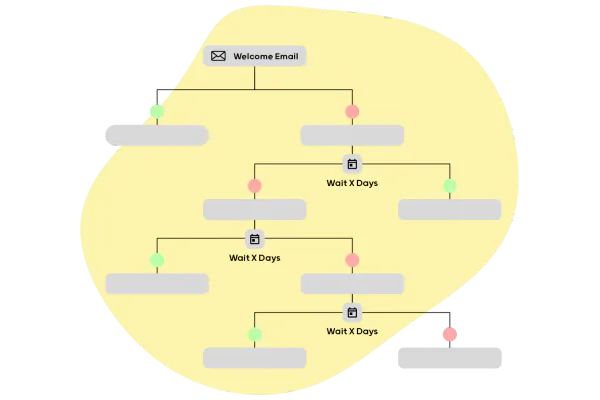
- Lifecycle emails — Triggered by user actions, such as a welcome message after sign-up or a follow-up after a purchase.
Each type serves a different goal, but all of them depend on one fundamental asset: a list of people who actually want to hear from you.
Why Email Marketing Still Matters
With so many marketing channels available today, it is fair to ask whether email is still worth your attention. The answer is yes — and here is why.
Direct Access to Your Audience
Social media algorithms limit how many followers see your posts on any given day. With email, you own your list. When you send a message, it goes directly to your subscriber’s inbox without a third-party filter deciding its reach.
Low Cost, High Return
Email marketing consistently offers one of the best returns on investment across all marketing channels. Most email platforms are affordable or even free for beginners, and the cost per message stays low even as your list grows to thousands of contacts.
Personalization and Segmentation
You can tailor emails to specific groups based on their interests, behaviors, or purchase history. A small boutique can send one email to customers who bought jackets and a completely different one to customers who browsed accessories — making each message feel personally relevant.
Measurable Performance
Email gives you clear, actionable data: who opened your message, who clicked a link, and who made a purchase. This makes it far easier to improve over time compared to channels where results are harder to attribute.
The Core Parts of a Simple Email Campaign
Before you hit send, every email campaign needs a few essential pieces in place:
- Email list — A permission-based list of subscribers who want to hear from you.
- Subject line — The first thing readers see; it determines whether they open the email at all.
- Message goal — Know what you want the reader to do: buy, read, click, or reply.
- Call to action (CTA) — A clear button or link that guides the reader toward your goal.
- Timing — Send when your audience is likely to check their inbox; mid-morning on weekdays is a safe starting point.
- Basic design — Keep it simple and mobile-friendly, since most readers open emails on their phones.
Simple Examples Beginners Can Copy
Seeing real examples makes the concepts easier to apply. Here are four straightforward email types with brief use cases:
Welcome Email
Sent automatically when someone joins your list. It introduces your brand, sets expectations, and often includes a first-time offer or free resource. Example: “Welcome to [Brand Name] — here is 10% off your first order as a thank-you for subscribing.”
Product Promotion Email
A focused email about a specific product, sale, or launch. Keep the copy short, lead with a clear benefit, and include a strong CTA button. Example: “New arrivals are here — shop the collection before stock runs out.”
Newsletter Update
A regular roundup of content, tips, or news relevant to your audience. Newsletters build trust over time and keep your brand top of mind without a hard sell. Example: “This week: three quick strategies to improve your morning productivity.”
Cart Reminder Email
Automatically sent when a shopper adds items to their cart but does not complete the purchase. This type of email recovers a meaningful share of lost sales with minimal ongoing effort. Example: “You left something behind — your cart is ready when you are.”
How to Start Email Marketing Without Overcomplicating It
Getting started does not have to feel overwhelming. Follow this simple beginner workflow:
- Choose a platform — Tools like Mailchimp, MailerLite, or ConvertKit offer free plans that are beginner-friendly and well-documented.
- Add a sign-up form — Place a form on your website, social media bio, or checkout page. Always ask for permission clearly and honestly.
- Plan your first email — Start with a welcome email. One goal, one message, one CTA.
- Send to your current list — Even with a small number of subscribers, start sending. Consistency matters more than list size in the early stages.
- Review what worked — Check open and click rates after each send, and use those numbers to improve your next email.
Common Mistakes That Reduce Results
Avoiding a few early errors saves time and protects your sender reputation:
- Buying email lists — Purchased lists are typically full of uninterested contacts and can get your account flagged as spam.
- Vague subject lines — Lines like “Check this out” give readers no reason to open. Be specific and lead with a clear benefit.
- Sending too often — Overloading inboxes drives unsubscribes. Start with once or twice a month and adjust based on engagement signals.
- Ignoring mobile formatting — More than 60% of emails are opened on mobile devices. Use single-column layouts and large, tappable buttons.
- No clear CTA — Every email should have one primary action you want the reader to take. Multiple competing links dilute focus and reduce clicks.
Basic Metrics to Watch After Sending
You do not need to track dozens of numbers as a beginner. Start with these four:
Open Rate
The percentage of recipients who opened your email. A healthy open rate for most industries sits between 20 and 30 percent. Low open rates often point to weak subject lines or the wrong send time.
Click Rate
The percentage of readers who clicked a link inside your email. This measures how compelling your message and call to action are in practice.
Unsubscribe Rate
If a high percentage of readers unsubscribe after a specific send, the content likely did not match what they expected when they signed up.
Conversions
The ultimate indicator: did the email drive the action you actually wanted — a purchase, a sign-up, a download? Track this using UTM parameters or your platform’s built-in integrations with your website or store.
When Email Marketing Becomes More Effective
Email marketing improves with consistency and steady, small optimizations. As your confidence and list grow, consider these next steps:
- Test subject lines — Send two versions to a small portion of your list and use the better-performing one for the rest (known as A/B testing).
- Segment your audience — Group subscribers by interest, location, or behavior so each message feels tailored rather than generic.
- Automate sequences — Set up a series of emails that trigger automatically based on actions, such as a three-part welcome sequence for every new subscriber.
- Match content to audience needs — Before every send, ask: does this email help my reader, or does it only help me? The best emails do both.
Email marketing does not require a large budget or a dedicated team. What it requires is clarity — a clear audience, a clear message, and a clear next step for your reader. Start simple, send consistently, and let the data guide your improvements over time. That is the practical foundation of email marketing that works for beginners and experienced marketers alike.
