
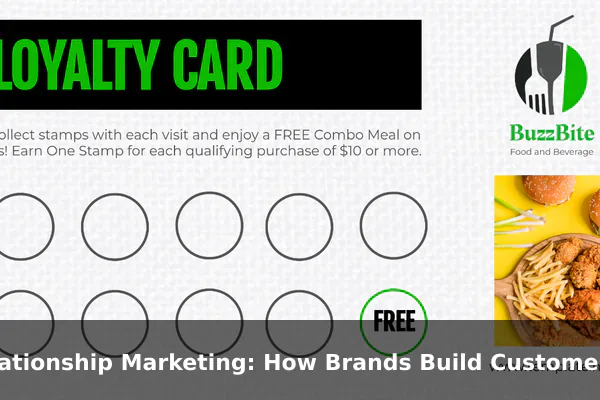
Most marketing content focuses on getting attention, generating clicks, and winning the first sale. That matters, but it is only part of the picture. A business that constantly chases new buyers without strengthening existing customer relationships often ends up spending more to replace the people it already had. Relationship marketing works from the opposite direction. It treats loyalty as a strategic asset and builds systems that keep customers engaged long after the initial purchase.
In simple terms, relationship marketing is the practice of creating ongoing value, trust, and relevance so customers choose to stay connected to a brand over time. Instead of asking, How do we get one more transaction? it asks, How do we become the brand customers want to return to, recommend, and rely on? That shift changes how brands communicate, how they serve customers, and how they design the full customer experience.
This matters because loyalty is not just an emotional outcome. It affects retention, repeat purchases, referrals, customer lifetime value, and brand resilience during competitive pressure. When people trust a brand, they are more likely to buy again, forgive small mistakes, and share their experience with others. The strongest brands do not build that loyalty through occasional discounts alone. They build it through relevance, consistency, and a customer experience that feels worth returning to.
This article explains what relationship marketing means in practice, why it drives growth, which elements make it effective, and how brands can create a repeatable plan for turning one-time buyers into long-term customers.
What Relationship Marketing Means in Practice
Relationship marketing is a long-term customer strategy focused on retention, trust, and repeat engagement. It is not a single channel, campaign, or tactic. It is a way of thinking about marketing that continues after conversion instead of ending at checkout.
A transactional approach usually emphasizes immediate action: buy now, sign up today, claim this offer before it expires. Relationship marketing still uses offers when appropriate, but it does not rely on urgency alone. Its goal is to build a relationship that makes future purchases easier, more natural, and less dependent on constant persuasion.
How It Differs From Transactional Marketing
The clearest difference is time horizon. Transactional marketing is usually optimized for short-term conversion. Relationship marketing is optimized for long-term value.
- Transactional marketing focuses on single sales, promotions, and fast response.
- Relationship marketing focuses on retention, satisfaction, trust, and continued engagement.
- Transactional success is measured by campaign response and immediate revenue.
- Relationship marketing success is measured by repeat behavior, loyalty, and customer lifetime value.
That does not mean one replaces the other. Strong businesses often use both. A brand still needs acquisition marketing to attract attention. But once a customer enters the business, relationship marketing determines whether that first sale becomes a habit or a dead end.
Why It Is More Than Customer Friendliness
Some companies assume relationship marketing simply means being nice on social media or sending a thank-you email. Those actions can help, but they are too shallow on their own. Real relationship marketing is operational. It includes onboarding, service quality, follow-up messaging, support, personalization, loyalty design, and the overall feeling customers get from dealing with the brand repeatedly.
In practice, relationship marketing asks questions such as:
- What happens in the first seven days after purchase?
- How easy is it for a customer to get help?
- Does the brand remember useful preferences?
- Are repeat buyers recognized and rewarded?
- Does communication feel relevant or repetitive?
- Is the customer experience consistent across touchpoints?
When brands answer those questions well, they stop acting like sellers who appear only when they want money. They begin acting like reliable partners in the customer journey.
Why Customer Loyalty Is a Growth Engine

Customer loyalty is often described in emotional terms, but its business impact is highly practical. Loyal customers buy more often, are cheaper to retain than acquiring new customers, and tend to create secondary value through recommendations and positive word of mouth.
That makes loyalty one of the most durable growth levers in marketing. It improves revenue efficiency because growth does not depend entirely on finding a new audience every month.
Retention Protects Revenue
When a company keeps customers for longer, it reduces the pressure to replace churn with constant acquisition. That gives the business more stability and makes its revenue base less fragile. A brand with strong loyalty can weather rising ad costs, algorithm changes, or increased competition more effectively than one that depends only on fresh leads.
Repeat Buyers Usually Become Better Customers
Returning customers often move through the buying process faster than first-time buyers. They already know the brand, trust the experience, and need less persuasion. Over time, they may buy more categories, upgrade to higher-value products, or purchase on a more predictable schedule.
That is why relationship marketing has a compounding effect. A single good experience does not just create one future sale. It can open the door to a longer buying relationship.
Loyalty Improves Brand Efficiency
Brands with a loyal customer base typically gain advantages beyond direct purchases:
- Higher repeat purchase rates
- Lower dependence on discounting
- Stronger referral activity
- More customer feedback for product improvement
- Better response to new product launches
- Greater trust during service mistakes or market shifts
In other words, relationship marketing supports both growth and resilience. It helps companies grow more efficiently while also making the business harder to disrupt.
Core Elements of Strong Brand Relationships
Relationship marketing works best when it is built on a few core elements that customers can feel repeatedly. These are not abstract values for a company presentation. They are the conditions that make customers comfortable staying connected to a brand.
Trust
Trust is the foundation of loyalty. Customers stay with brands that do what they promise, communicate clearly, and avoid unpleasant surprises. Trust grows when pricing feels fair, policies are understandable, and support is dependable.
It also grows when a brand behaves consistently. If the sales message promises simplicity but the support experience feels frustrating, trust erodes quickly. Relationship marketing cannot survive a credibility gap.
Relevance
Customers do not want more communication for its own sake. They want communication that helps them. Relevance means the brand understands timing, context, and customer needs well enough to send useful information instead of generic noise.
This is where thoughtful segmentation matters. A new customer may need onboarding guidance. A long-time customer may prefer insider updates, advanced tips, or loyalty rewards. Sending the same message to everyone weakens the relationship.
Consistency
Strong relationships are built through repeated experiences, not isolated moments. The tone in email, the quality of customer service, the reliability of delivery, the feel of the website, and the response on social channels should all reinforce the same brand promise.
Consistency tells the customer, You know what to expect from us. That sense of reliability is one of the biggest drivers of loyalty.
Recognition
People respond well when brands acknowledge that they are not anonymous. Recognition can be simple:
- Remembering purchase history
- Rewarding repeat customers
- Sending milestone messages
- Giving loyal buyers early access
- Tailoring recommendations based on past behavior
This does not require invasive data collection. It requires smart use of information customers have already chosen to share through their behavior and preferences.
Post-Purchase Care
Many companies invest heavily in pre-sale persuasion and then go quiet after the sale. That is one of the biggest missed opportunities in modern marketing. The period immediately after purchase is when a customer decides whether the brand was worth trusting.
Helpful onboarding, clear instructions, easy returns, proactive support, and follow-up education can all turn buyer uncertainty into confidence. In many industries, loyalty is won after the payment, not before it.
Relationship Marketing Strategies Brands Use
Effective relationship marketing uses practical systems, not vague promises. The best brands combine communication, service, personalization, and recognition into a structured retention strategy.
Email Nurturing Beyond Promotions
Email remains one of the strongest relationship marketing tools when used well. The mistake is treating it only as a discount channel. Promotional email has a role, but loyalty grows faster when email also provides education, product guidance, insider tips, and useful reminders.
A simple nurture sequence might include:
- A welcome email that sets expectations and reinforces brand values.
- An onboarding email that helps the customer use the product successfully.
- A follow-up email that checks satisfaction and offers support.
- Personalized recommendations based on behavior or purchase history.
- Occasional loyalty rewards or early-access invitations.
This turns email from a sales megaphone into an ongoing relationship channel.
Loyalty and Rewards Programs
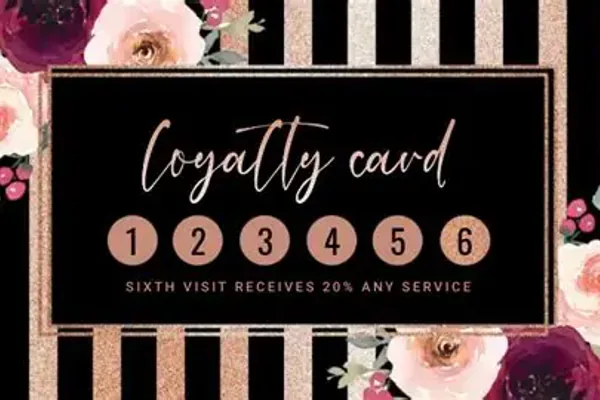
A well-designed loyalty program gives customers a reason to stay engaged. The strongest programs do more than hand out points. They create momentum and make customers feel recognized.
Good loyalty programs often include:
- Simple rules customers can understand quickly
- Rewards that feel meaningful, not symbolic
- Tiered benefits for increased engagement
- Exclusive access, not just discounts
- Clear progress indicators
If the program is too complicated, customers ignore it. If the reward is too weak, it fails to change behavior. Relationship marketing works best when the value exchange is obvious.
Useful Content After the Sale
Content marketing is often discussed as an acquisition tool, but it can be just as powerful for retention. Tutorials, how-to articles, usage ideas, case examples, maintenance reminders, and expert tips all help customers get more value from what they already bought.
That is important because customers stay loyal when they feel successful with a product or service. If a brand can reduce confusion and increase results, it becomes harder to replace.
Customer Feedback Loops
Relationship marketing is not only about sending messages. It is also about listening. Feedback loops help brands discover friction points before they become reasons to leave.
Useful feedback methods include:
- Post-purchase surveys
- Net Promoter Score requests
- Support ticket analysis
- Review monitoring
- Customer interviews
- Community discussions
The real advantage comes when brands close the loop. Customers notice when feedback leads to better support, clearer communication, or improved features.
Community and Belonging
Some of the strongest brand loyalty comes from community, not just product satisfaction. When customers feel they are part of a group with shared interests, values, or identity, the relationship deepens.
Community can take many forms: user groups, events, member forums, social media participation, ambassador programs, or customer spotlights. The goal is not constant brand self-promotion. The goal is to create a space where customers feel connected to something larger than the transaction.
Service Recovery
Mistakes happen. Orders are delayed, support answers are slow, and products occasionally disappoint. Relationship marketing includes what a brand does after a problem. Fast, empathetic service recovery can preserve loyalty and sometimes even strengthen it.
When customers feel heard, respected, and treated fairly, a mistake becomes a test of the relationship rather than the end of it.
Examples of Relationship Marketing That Work
Relationship marketing is easier to understand when viewed through realistic business scenarios. The details vary by industry, but the underlying logic stays the same: create repeated value and make the customer feel confident returning.
A Subscription Brand
A subscription business cannot depend on first-month signups alone. Its survival depends on reducing churn. A strong relationship marketing approach might include a guided onboarding sequence, usage tips in the first month, reminders based on inactivity, and loyalty benefits for long-term members.
The key is preventing customers from feeling abandoned after signup. If the brand helps members see value quickly and keeps communication useful, retention improves.
An E-commerce Store
An online store can use relationship marketing by improving the post-purchase experience. Instead of sending only shipping confirmations and occasional sales emails, it can follow up with care instructions, product pairings, review requests, and personalized replenishment reminders.
Over time, those touches create familiarity. The customer starts to think of the store not as a random seller, but as a dependable source that understands what they need.
A Service Business
A service-based company builds loyalty through responsiveness, clarity, and trust. Appointment reminders, transparent communication, after-service check-ins, and a clear process for questions all support the relationship.
For service brands, relationship marketing often overlaps with customer experience. The marketing promise and the actual service delivery must match closely, or loyalty weakens fast.
A Premium Brand
Premium brands often use exclusivity as part of relationship marketing. Early access, priority support, private events, curated recommendations, and thoughtful packaging can all reinforce the feeling that the customer relationship is valuable.
The most effective premium brands do not rely only on image. They combine status signals with reliable service and strong follow-through.
How to Measure Relationship Marketing Success
Relationship marketing should feel human, but it still needs measurable business outcomes. Without clear metrics, a brand may mistake activity for progress.
Key Metrics to Track
- Retention rate: The percentage of customers who stay over a defined period.
- Repeat purchase rate: How many customers come back to buy again.
- Customer lifetime value: The total expected value of a customer relationship over time.
- Churn rate: The percentage of customers who stop buying or cancel.
- Purchase frequency: How often customers buy within a certain period.
- Customer satisfaction: Usually measured through surveys or support feedback.
- Referral activity: How often customers recommend the brand to others.
Use Both Numbers and Signals
Not every sign of loyalty appears immediately in revenue data. Open rates on onboarding emails, support response quality, loyalty program participation, review sentiment, and community engagement can all provide early signals of relationship strength.
The important point is to connect those signals to outcomes over time. If customers who complete onboarding buy again more often, that tells you where the relationship is being strengthened. If customers who contact support churn more frequently, that may reveal a service gap that needs fixing.
Measure by Segment
Not all customers behave the same way. A new customer, repeat buyer, high-value customer, and inactive account may each need different relationship tactics. Measuring performance by segment helps brands understand which relationships are growing and which are weakening.
This is also how brands avoid overgeneralization. A campaign that looks average overall may perform extremely well for loyal customers and poorly for new ones.
Common Mistakes That Damage Loyalty
Many brands claim to care about loyalty while accidentally undermining it through poor execution. Relationship marketing fails when the customer experience feels self-serving, inconsistent, or forgettable.
Overpromotion
If every message is a sales message, customers stop paying attention. Constant promotions train people to wait for discounts and can weaken the relationship by making the brand feel transactional.
Weak Follow-Up
Silence after the first sale is one of the biggest missed opportunities in marketing. Without onboarding, support, or thoughtful follow-up, many customers never fully adopt what they bought. That reduces the chance of repeat business.
Fake Personalization
Using a first name in an email is not meaningful personalization. Real personalization reflects context, history, and relevance. When brands pretend to personalize without understanding the customer, the message feels automated rather than thoughtful.
Inconsistent Service
A polished ad campaign cannot compensate for poor service. If customer support is slow, returns are frustrating, or information changes from one channel to another, trust declines. Loyalty depends on consistency at the operational level.
Ignoring Feedback
Asking for feedback and doing nothing with it can be worse than not asking at all. Customers notice when surveys disappear into a void. Feedback should drive visible improvements where possible.
Rewarding Only New Customers
Many companies offer their best incentives to first-time buyers while giving loyal customers little reason to stay. That creates frustration and sends the message that existing customers are less valuable than new ones. Relationship marketing should make loyal customers feel recognized, not overlooked.
How to Start Building a Relationship Marketing Plan
Relationship marketing becomes manageable when broken into a practical framework. Brands do not need a massive loyalty system on day one. They need a clear starting point and a way to improve over time.
1. Identify Your Most Valuable Customer Relationships
Start by defining which customer groups matter most. This could include repeat buyers, subscribers, high-margin customers, referral-driven customers, or clients with strong long-term potential.
The goal is not to ignore everyone else. It is to understand where relationship-building will create the greatest return.
2. Map the Customer Journey After Conversion
Most businesses map the path to purchase but fail to map what happens next. Document the post-purchase journey:
- First purchase
- Delivery or onboarding
- First use or first service interaction
- Support needs
- Second purchase opportunity
- Feedback and review stage
- Loyalty or referral stage
This reveals where customers feel uncertain, ignored, or unsupported.
3. Choose a Small Set of Retention Tactics
Do not launch everything at once. Select a few tactics that fit your business model. For example:
- Welcome and onboarding email flows
- Post-purchase education
- Simple loyalty or referral rewards
- Customer check-in messages
- Service recovery processes
- Quarterly feedback review
Execution quality matters more than the number of tactics.
4. Align Marketing With Customer Service
Relationship marketing breaks down when marketing promises one thing and support delivers another. Teams should share insights, common terminology, and customer pain points. In many businesses, the loyalty strategy is strongest when marketing and customer service work as one connected system.
5. Track Results and Improve Continuously
Set baseline numbers for retention, repeat purchases, satisfaction, and churn. Then review changes over time. Look for patterns by segment, product type, or lifecycle stage. Relationship marketing is not a one-time campaign. It is a process of steadily improving how customers experience the brand.
Conclusion
Relationship marketing is how brands turn attention into trust and trust into loyalty. It shifts marketing from a short-term pursuit of transactions to a long-term system for keeping customers engaged, supported, and eager to return. The brands that do this well are not simply louder than their competitors. They are more useful, more consistent, and more reliable over time.
That is why customer loyalty remains one of the most valuable outcomes in marketing. It strengthens retention, raises lifetime value, lowers acquisition pressure, and creates a base of customers who actively help the brand grow. For businesses that want durable results, relationship marketing is not an optional extra. It is the discipline that makes long-term growth more efficient and more defensible.
The practical starting point is simple: understand the post-purchase journey, remove friction, communicate with relevance, recognize loyal customers, and measure what keeps people coming back. When brands commit to those habits consistently, customer loyalty stops being a vague goal and becomes a repeatable advantage.
