
When a brand runs an Instagram ad that makes you stop scrolling and click Buy Now, that is B2C marketing at work. Business-to-consumer marketing is one of the most visible and widely practiced forms of marketing in the world — yet many people have never stopped to examine how it actually functions beneath the surface. Whether you are a small business owner trying to sell products online or a student curious about how brands capture attention, understanding B2C marketing gives you a foundation that applies across nearly every industry.
This article breaks down what B2C marketing means, how it compares to other approaches, which channels matter most, and how to build a simple strategy. You will also find real-world examples and a list of common mistakes to avoid so you can start with a clearer picture of what actually works.
What B2C Marketing Means
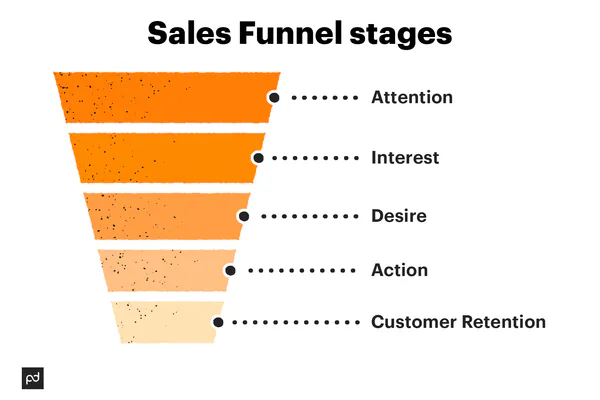
B2C marketing — short for business-to-consumer marketing — refers to any strategy a company uses to promote products or services directly to individual consumers. The goal is to move a person from awareness to purchase, and ideally to turn that one-time buyer into a loyal, repeat customer.
Unlike marketing aimed at other businesses, B2C marketing speaks to personal needs, desires, and everyday problems. A streaming service wants you to subscribe. A skincare brand wants you to try its moisturizer. A food delivery app wants your weekend order. Every touchpoint — from a homepage banner to a checkout email — is designed to guide you through one simple decision: should I buy this?
The typical B2C customer journey moves through a few clear stages:
- Awareness – The consumer sees or hears about the product for the first time.
- Interest – They want to learn more and compare their options.
- Desire – An emotional or practical pull makes the product feel right for them.
- Action – They complete the purchase.
- Retention – Post-purchase communication encourages them to return and buy again.
How B2C Marketing Differs From B2B
B2B marketing focuses on selling to other businesses — often with long sales cycles, multiple decision-makers, and logic-driven messaging. B2C is fundamentally different in ways that shape every part of your strategy.
- Audience: B2C targets individual consumers; B2B targets company buyers or procurement teams.
- Decision-making: B2C decisions are fast, often emotional, and made by a single person. B2B decisions are slow, rational, and involve multiple stakeholders.
- Sales cycle: B2C purchases happen in hours or days. B2B deals can take weeks or months to close.
- Message tone: B2C messaging is conversational and benefit-driven. B2B messaging is professional and ROI-focused.
- Purchase trigger: B2C purchases are sparked by emotion, convenience, or price. B2B purchases are driven by efficiency, scalability, and long-term value.
In B2C, a single person usually makes the buying decision on the spot. A compelling ad, a limited-time discount, or a glowing review can be enough to close the sale. This means B2C marketing leans heavily on emotion, storytelling, and instant gratification rather than lengthy white papers and formal sales demos.
Core Elements of a Strong B2C Marketing Strategy
A good B2C strategy is not just about running ads. It starts with knowing exactly who you are talking to and why they should choose you over every other option available to them.
Know Your Target Audience
Define your ideal consumer by demographics (age, location, income), psychographics (values, lifestyle, habits), and behavior (what they buy, when, and why). The more specific your picture of the customer, the sharper and more effective your messaging will be.
Craft a Clear Value Proposition
Your value proposition answers one question: why should this person buy from you instead of a competitor? It should be simple, specific, and tied to a benefit the customer actually cares about — not just a list of product features.
Use Emotional Appeal
Consumer purchases are often driven by feelings. Happiness, convenience, status, safety, and belonging are powerful motivators. Strong B2C brands do not just describe products — they sell an experience or a feeling. Think of how a coffee brand sells the morning ritual, not just the beans.
Pricing and Consistency
Price signals quality and helps consumers instantly categorize your brand. A premium price suggests exclusivity. A low price signals accessibility. Beyond pricing, make sure every touchpoint — from your website to your packaging to your customer service interactions — reinforces the same brand identity. Inconsistency confuses buyers and erodes the trust you have worked to build.
Best Channels for B2C Marketing
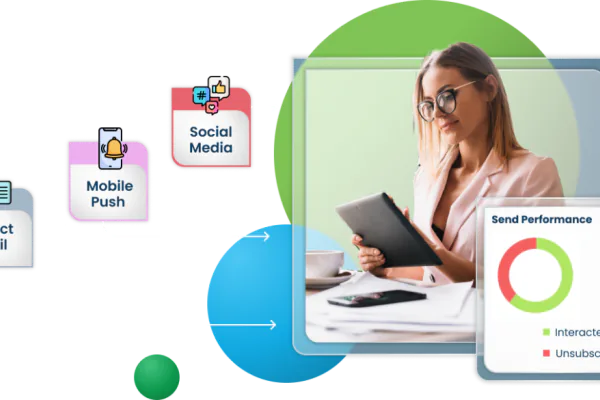
Choosing the right channels depends on where your audience spends time and what kind of content they respond to. Here are the most effective options for consumer-focused brands:
- Social Media – Platforms like Instagram, TikTok, and Facebook are built for discovery. Visual products, lifestyle brands, and impulse purchases perform especially well here.
- Email Marketing – Once someone gives you their email address, you have a direct line to reach them. Use it for promotions, product launches, cart recovery, and loyalty rewards.
- SEO – People search before they buy. Ranking for relevant terms brings in high-intent traffic that is already looking for exactly what you sell.
- Paid Advertising – Google Shopping ads, Meta ads, and TikTok ads let you target specific audiences with precision and scale results quickly.
- Influencer Marketing – Partnering with creators who have a trusted relationship with your target audience builds social proof and drives discovery at scale.
- Content Marketing – Blog posts, videos, and how-to guides help consumers find answers and associate your brand with relevant expertise over time.
- SMS Marketing – Short text messages with flash sales or delivery updates have very high open rates and work well for time-sensitive offers.
Examples of B2C Marketing in Action
Ecommerce Flash Sale
An online clothing store sends an email to its subscriber list announcing 24-hour access to a 30% discount. The email includes a countdown timer, a clear call-to-action button, and three featured products. This combines urgency, personalization, and visual appeal — a classic combination of B2C tactics that consistently drives revenue spikes.
Food Delivery App Referral Campaign
A food delivery app runs a referral program where existing users share a personal code with friends. Both parties receive a credit toward their next order, the app gains new customers at a low acquisition cost, and loyalty is rewarded at the same time. This is word-of-mouth marketing built directly into the product experience.
Beauty Brand Influencer Partnership
A skincare startup sends free products to micro-influencers on YouTube and Instagram. Each creator shares honest results with an engaged niche audience. The brand receives credible exposure without a large ad budget and benefits from the creator’s existing trust with their followers — trust that a paid ad cannot replicate on its own.
Subscription Service Free Trial
A streaming platform offers a 30-day free trial with no payment details required at sign-up. The goal is to remove friction and get consumers to actually experience the product. Once they are engaged with the content library and the user experience, conversion to a paid subscription follows naturally.
Common B2C Marketing Mistakes to Avoid
Even experienced marketers make these errors. Knowing them in advance helps you sidestep costly missteps early:
- Targeting everyone – Broad targeting wastes budget and produces generic messaging that resonates with no one in particular.
- Ignoring retention – Acquiring a new customer costs far more than keeping an existing one. Many brands focus almost entirely on new acquisition and lose buyers after the very first purchase.
- Overpromotion – Constantly bombarding your audience with discount offers trains them to wait for sales and gradually erodes your brand’s perceived value.
- Channel mismatch – Selling premium goods through bargain-focused platforms confuses buyers and weakens your positioning with the audience you actually want to reach.
- Weak creative – In a crowded social feed, forgettable visuals and generic copy are scrolled past in seconds. Strong, attention-grabbing creative is non-negotiable in B2C marketing.
How to Build a Simple B2C Marketing Plan
You do not need a complex strategy document to get started. A simple plan built around five clear questions is enough to launch your first real campaign:
- Who is my customer? Define the specific person you are selling to — their needs, habits, and daily motivations.
- What problem am I solving? Name the core benefit your product delivers in a single clear sentence.
- Where does my customer spend time? Choose one or two channels to focus on first rather than spreading your effort thin across every platform at once.
- What is my offer? Describe what you are selling and give the customer a reason to act now rather than later.
- How will I measure success? Pick simple, trackable metrics: total sales, click-through rate, return on ad spend, or email open rate.
Once you have clear answers, launch a small test campaign, review the results after two to four weeks, and adjust based on what the data tells you. B2C marketing rewards marketers who iterate quickly over those who spend months planning without ever testing in the real world.
Key Takeaways for Beginners
B2C marketing is not one tactic in isolation — it is a connected system of decisions that work together toward a single goal: reaching the right consumer with the right message at the right moment. Start with a clear picture of who your customer is, build messaging around their genuine needs and emotions, choose the channels where they are already active, and track metrics that reflect real business outcomes.
The most effective B2C brands treat every interaction as a chance to build trust. A great product gets people to buy once. A strong marketing system built around the principles above brings them back. Whether you are launching your first online store or refining an existing campaign, this framework gives you a practical starting point — one that grows with your business over time.
