

Every purchase a person makes — from grabbing a coffee on the way to work to spending weeks researching a new laptop — is the result of a complex chain of thoughts, emotions, and influences. Understanding why people buy what they buy is one of the most valuable skills in modern marketing, and it all starts with studying consumer behavior.
Consumer behavior is the foundation beneath every successful marketing campaign, product launch, and customer experience strategy. Whether you are a student studying business, a small business owner trying to win more customers, or a marketer refining your targeting approach, knowing what drives purchase decisions gives you a real competitive edge. This article breaks down the meaning of consumer behavior, the key factors that shape it, the stages buyers go through, and real examples that show theory in action.
What Consumer Behavior Means in Marketing
Consumer behavior refers to the study of how individuals, groups, and organizations select, purchase, use, and dispose of goods, services, ideas, or experiences to satisfy their needs and wants. It examines the processes people go through before, during, and after making a purchase.
More broadly, consumer behavior is not just about the act of buying. It includes what motivates a person to start searching for a product, how they evaluate different options, what influences them toward one brand over another, and how they feel after the purchase and whether they return. For marketers, this study helps answer one critical question: why do people choose what they choose?
Consumer Behavior vs. Buying Habits
It is easy to confuse consumer behavior with simple buying habits. Habits describe repeated, automatic actions — such as always picking the same brand of toothpaste. Consumer behavior is the broader discipline that explains how those habits form, what conditions might change them, and what psychological and social forces are at work behind the scenes.
Why Consumer Behavior Matters for Business Decisions
Understanding consumer behavior is not just an academic exercise — it directly shapes how businesses operate and compete. Here is why it matters across multiple business functions.
Product Development
When businesses understand what problems customers are trying to solve, they can create products that genuinely meet those needs. A software company that studies how its users navigate a tool can simplify the interface and reduce churn. Products built around observed behavior outperform products built around assumptions.
Pricing Strategy
People do not always choose the cheapest option. Studies show that higher prices can signal quality, and charm pricing such as $9.99 triggers different responses than round numbers. Knowing how your audience perceives price helps you position products effectively and set margins without sacrificing conversions.
Marketing and Messaging
Consumer behavior research reveals what language resonates, what fears or desires to address, and what emotional triggers lead to action. This is why two brands selling the same product may use completely different ad styles — they have studied their audiences and crafted messages accordingly.
Customer Retention
Understanding post-purchase behavior helps businesses reduce buyer’s remorse, handle returns better, and build loyalty programs that actually work. When customers feel understood and valued, they come back and often bring others with them.
The Main Factors That Influence Consumer Behavior

Consumer decisions are rarely random. A combination of internal and external forces shapes every choice. Researchers typically group these influences into four main categories.
Psychological Factors
These come from within the individual and include:
- Motivation: The internal drive to fulfill a need — a hungry person is motivated to buy food; a status-conscious buyer is motivated by prestige.
- Perception: Two people can see the same ad and interpret it completely differently based on background and biases.
- Learning: Past experiences shape future behavior. A bad experience with a brand can turn a loyal customer into a vocal critic.
- Attitudes and beliefs: Preexisting views about a product, category, or brand influence openness to buying.
Personal Factors
These include individual characteristics such as age and life stage, occupation and income level, lifestyle and values, and personality. A college student buys differently from a retiree not because of one factor but a combination of all of these at once.
Social Factors
People are social creatures, and their buying decisions are heavily influenced by others:
- Family: Parents shape early brand preferences in children; spouses influence major purchases together.
- Reference groups: Friends, colleagues, and communities whose opinions matter to the buyer.
- Social roles and status: People buy products that reflect the role they play in society or the status they want to project.
Cultural Factors
Culture is one of the deepest drivers of behavior. Broad cultural values and norms shape what is seen as desirable or appropriate. Subcultures — ethnic groups, religious communities, and regional populations — add further nuance. Social class also plays a significant role, as spending patterns, brand preferences, and quality expectations vary across economic groups.
Economic and Situational Factors
Beyond the individual, context matters. Disposable income, economic confidence, physical environment, and time pressure all influence decisions. A shopper under time pressure makes different choices than one who has time to compare. A well-designed store layout or a seamless website experience can tilt the outcome in your favor.
How the Consumer Decision-Making Process Works
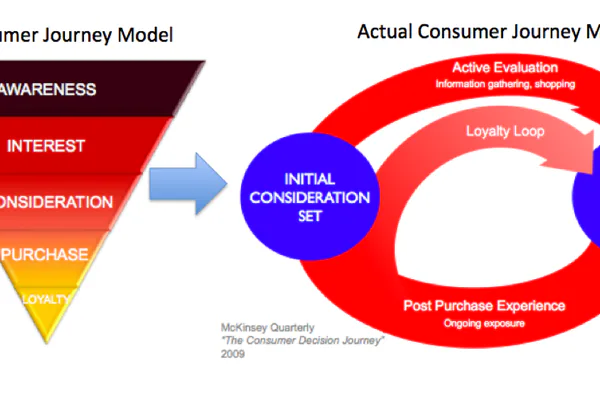
Most purchasing decisions follow a predictable sequence. Knowing where buyers are in this journey helps marketers apply the right message at the right time.
- Need Recognition: A purchase begins when someone realizes they have a problem or desire. This could be internal — feeling hungry — or triggered externally by an ad for a product they did not know existed. Marketing opportunity: awareness campaigns, educational content, and problem-focused messaging.
- Information Search: The consumer starts looking for solutions through online searches, asking friends, reading reviews, or comparing products. Marketing opportunity: SEO content, product comparison pages, and review generation.
- Evaluation of Alternatives: With a shortlist in mind, the buyer compares options based on price, features, brand reputation, and personal priorities. Marketing opportunity: highlight unique differentiators, clear value propositions, and trust signals.
- Purchase Decision: The consumer chooses a product and completes the transaction. This step can still be derailed by a poor checkout experience or an unexpected cost. Marketing opportunity: reduce friction, offer clear return policies, and use urgency thoughtfully.
- Post-Purchase Evaluation: After buying, the consumer reflects on whether the product met expectations. A satisfied buyer becomes a repeat customer or advocate; a disappointed one may leave a negative review. Marketing opportunity: follow-up emails, loyalty rewards, and excellent customer service.
Examples of Consumer Behavior in Everyday Buying Situations
Theory becomes clearer when grounded in real scenarios. Here are examples that show consumer behavior in action across common purchase contexts.
Grocery Shopping — Habitual Behavior
A working parent who buys the same brand of pasta every week is showing habitual buying behavior. They are not re-evaluating options each trip — they are following a familiar, low-effort routine. Supermarket shelf positioning and loyalty card promotions are designed specifically to reinforce or disrupt these habits.
Smartphone Purchases — Complex Decision-Making
Buying a new smartphone typically involves weeks of research, comparison, and deliberation. The consumer reads reviews, watches comparison videos, checks social media feedback, and consults friends. Brands invest heavily in emotional positioning because this is a high-involvement decision influenced by identity and status as much as technical specifications.
Fashion Choices — Social and Cultural Influence
A teenager’s clothing choices are often shaped more by peer groups and social media trends than personal taste alone. Influencer marketing thrives in this space because the audience actively looks to public figures for social cues about what to wear and buy. The product is almost secondary to the social signal it sends.
Online Reviews Shaping Decisions
A traveler booking a hotel will often choose a property with slightly lower amenities but significantly better reviews over a technically superior option with mediocre feedback. This shows how social proof — a psychological trigger rooted in consumer behavior research — overrides objective product comparisons.
Types of Consumer Buying Behavior
Not all purchases are made the same way. Consumer behavior researchers identify four main types, each requiring a different marketing approach.
| Behavior Type | Involvement Level | Brand Difference | Example |
|---|---|---|---|
| Complex | High | Significant | Car, laptop, home |
| Dissonance-reducing | High | Minor | Floor tiles, insurance |
| Habitual | Low | Minor | Toothpaste, bread |
| Variety-seeking | Low | Significant | Snacks, streaming shows |
Complex Buying Behavior
High investment, high stakes, and significant differences between brands. Consumers research extensively. Marketers should focus on detailed product information, demonstrations, and long-term trust-building to win this type of buyer.
Dissonance-Reducing Behavior
High involvement but limited real differences between options. Buyers decide relatively quickly but may feel uncertain afterward. Post-sale reassurance and clear communication reduce returns and complaints effectively.
Habitual Buying Behavior
Low engagement and minimal brand comparison. Buyers follow routine. Marketers compete through shelf presence, packaging familiarity, and promotions rather than persuasion or differentiation messaging.
Variety-Seeking Behavior
Low involvement but genuine desire for something different. Buyers switch brands not from dissatisfaction but from curiosity. Established brands counter with loyalty programs while challenger brands use novelty and sampling to attract trial.
How Marketers Use Consumer Behavior Insights
Understanding consumer behavior is only valuable if it shapes real strategy. Here is how effective marketers translate these insights into tactics:
- Segmentation: Divide your audience by behavior patterns — heavy users, occasional buyers, price-sensitive shoppers — and tailor campaigns accordingly rather than treating everyone the same.
- Personalization: Use purchase history and browsing data to recommend products the customer is likely to want next, increasing both conversion rates and order value.
- Social proof: Display reviews, ratings, user counts, and testimonials prominently, especially on product pages and at the point of decision.
- Emotional triggers: Craft messaging around the real desires and fears your audience holds — security, belonging, achievement, or novelty — rather than leading only with features.
- Timing and context: Run promotions when buyers are most receptive — payday periods, seasonal moments, or immediately after a related purchase that signals readiness.
- Loyalty programs: Reward repeat behavior to move customers from habitual buyers into genuine brand advocates who refer others and resist competitor offers.
Common Mistakes When Interpreting Consumer Behavior
Even experienced marketers fall into traps when applying consumer behavior research. Avoiding these mistakes is just as important as understanding the theory itself.
Assuming All Customers Think Alike
Demographics are a starting point, not a complete answer. Two people with identical age, income, and location may make completely different choices based on values, life experiences, and context. Over-relying on broad profiles leads to generic messaging that resonates with no one in particular.
Ignoring Emotion in Favor of Logic
Many campaigns are built around features and price — logical arguments for why the product is better. But most buying decisions are primarily emotional and justified with logic afterward. Effective marketing connects on an emotional level first, then confirms the rational case.
Treating Behavior as Static
Consumer preferences shift due to life events, economic changes, viral trends, and cultural shifts. A strategy built on two-year-old research can miss where the audience actually is today. Regularly refreshing your understanding through surveys, analytics, and customer interviews is essential for staying relevant.
Overlooking Post-Purchase Behavior
Most marketing budgets are concentrated on acquiring new customers. But the behavior after the sale — how satisfied someone feels, whether they leave a review, whether they return — has an enormous impact on long-term revenue and brand reputation. Ignoring post-purchase behavior means leaving one of the most powerful growth levers untouched.
Conclusion
Consumer behavior is the lens through which all effective marketing should be viewed. Understanding the factors that drive decisions — from deep psychological motivations to cultural norms and situational context — allows businesses to create more relevant products, more resonant messaging, and more loyal customer relationships.
The five-stage decision-making process gives marketers a roadmap for where and how to engage potential buyers. The four types of buying behavior show that not every purchase deserves the same strategy. And the real-world examples throughout this article demonstrate that consumer behavior is not abstract theory — it is visible in every checkout interaction, search query, and product review. For any marketer, business owner, or student serious about growth, consumer behavior is not a side topic: it is the core of everything.
