
Direct marketing is one of the most focused strategies in a marketer’s toolkit. Instead of broadcasting a message to a mass audience and hoping the right people notice, direct marketing targets specific individuals with a clear message and a direct call to action. The goal is simple: get a measurable response.
If you’ve ever received a promotional text message with a discount code, opened a personalized email about products you’ve browsed, or found a catalog in your mailbox, you’ve experienced direct marketing firsthand. It’s one of the oldest marketing approaches — and in the digital age, it’s more precise and measurable than ever before.
This guide covers what direct marketing means, how it works across different channels, practical examples from real businesses, and best practices for running campaigns that actually convert.
What Direct Marketing Means
Direct marketing is a type of advertising where a business communicates straight to a targeted customer or prospect — no middleman, no broadcaster, no general audience required. Unlike a billboard or a TV spot that reaches whoever happens to see it, direct marketing is intentional. It reaches a defined group of people and asks them to take a specific action.
The defining features of direct marketing are:
- Direct communication: The message goes from the business straight to the individual customer or prospect, not through mass media.
- Clear call to action (CTA): Every direct marketing message asks for something specific — click here, call now, order today, sign up free.
- Measurable response: Results can be tracked precisely, whether it’s email opens, reply rates, coupon redemptions, or phone calls generated.
- Targeted delivery: Messages are sent to a specific segment, not to the general public.
Direct marketing is distinct from brand awareness campaigns. Brand marketing builds recognition over time without expecting an immediate response. Direct marketing pushes for action now — a purchase, an inquiry, a subscription, or a visit. That focus on response is what defines the entire discipline.
How Direct Marketing Works
The process behind a direct marketing campaign follows a clear, repeatable sequence. Understanding each step helps marketers build campaigns that convert instead of campaigns that simply consume budget.
Define Your Audience
Every effective direct marketing effort begins with knowing exactly who you’re talking to. This means segmenting your existing customer data or building a targeted prospect list based on demographics, purchase behavior, location, or stated interests. The sharper the targeting, the better the results — and the less budget wasted reaching the wrong people.
Create a Compelling Offer
A direct marketing campaign lives and dies by its offer. Whether it’s a discount, a free trial, a limited-time deal, or exclusive early access, the offer needs to be specific and valuable enough to motivate immediate action. Vague messaging never converts. Concrete value always has a better chance.
Choose the Right Channel
Matching the message to the right channel is critical. An older customer base may respond better to direct mail or a phone call, while a younger, mobile-first audience might engage more readily with SMS or social media direct response ads. The best channel is the one where your specific audience already pays attention.
Deliver and Track
Once the campaign goes live — emails sent, mailers delivered, ads served — every response is tracked using a unique promo code, a UTM-tagged URL, or a dedicated phone number. This data reveals exactly who responded, on which channel, and at what cost per acquisition.
Optimize for the Next Campaign
Unlike brand campaigns where results are estimated, direct marketing produces hard data. Open rates, click-through rates, conversion rates, and ROI all feed into the next campaign, making each iteration sharper and more efficient over time.
Main Direct Marketing Channels
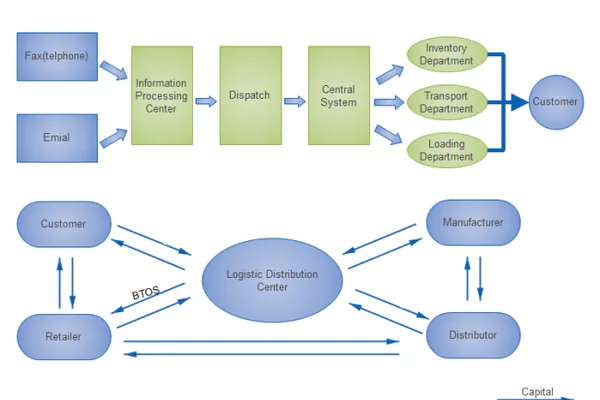
Direct marketing isn’t a single tactic — it’s a strategy that runs across several distinct channels. Each channel has its own strengths, best-use cases, and audience fit.
Email is the most widely used and cost-effective direct marketing channel available. Businesses send personalized messages to their list — promotions, product recommendations, abandoned cart reminders, re-engagement campaigns, and seasonal offers. Email allows deep segmentation and automation, making it scalable even for very small teams with limited budgets.
SMS and Mobile Messaging
Text message marketing delivers messages directly to a customer’s phone. Open rates for SMS regularly exceed 90%, making it ideal for time-sensitive offers like flash sales, appointment reminders, and exclusive discounts. Because customers must actively opt in, the audience is already engaged before you send a single word.
Direct Mail
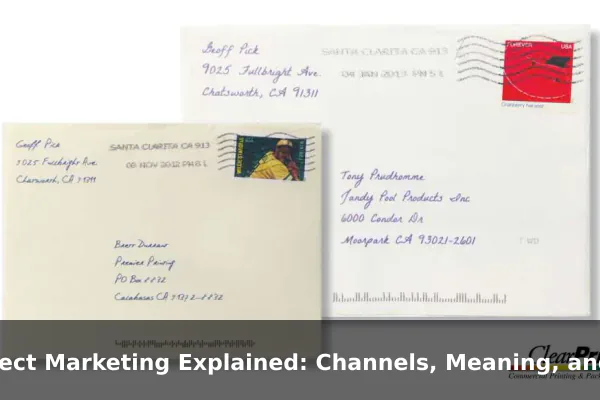
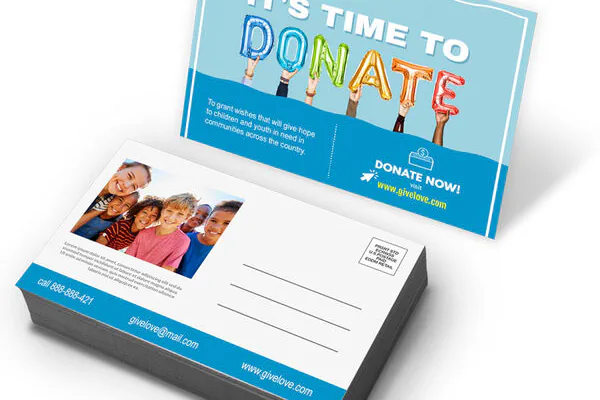
Physical mail — postcards, brochures, catalogs, and promotional letters — remains a powerful direct marketing tool, especially for reaching demographics that are less active online. In a digital-saturated world, a well-designed piece of physical mail can stand out and command genuine attention. It also works well for high-value offers and local businesses targeting specific neighborhoods.
Telemarketing
Telemarketing involves calling prospects or customers directly to present an offer, qualify a lead, or follow up on an inquiry. It’s more resource-intensive than digital channels but is often highly effective for high-ticket products, B2B outreach, and situations where a personal conversation closes the deal faster than any email ever could.
Direct Response Advertising
These are ads designed to generate an immediate, trackable response — not just awareness. A Facebook ad with a “Shop Now” button, a Google search ad leading directly to a landing page, or a YouTube ad with a clickable limited-time offer all qualify as direct response advertising. The goal is a measurable click that leads to a specific conversion.
Catalogs
Printed and digital catalogs remain relevant, especially in retail and specialty e-commerce. A catalog showcases products with clear pricing and a clear order path — whether that’s a printed order form, a QR code, or a direct URL. Brands use unique promo codes inside catalogs to measure exactly how many orders that specific mailing generated.
Dedicated Landing Pages
A focused landing page — separate from a website’s main navigation — is often the destination for direct marketing traffic. Stripped down to a single offer and a single CTA, a good landing page removes distractions and is designed entirely to convert incoming visitors into leads or buyers.
Direct Marketing Examples in Practice
Understanding what direct marketing looks like in the real world makes the concept click. Here are concrete examples across different business types and industries.
E-Commerce: Abandoned Cart Email
A clothing retailer sends an automated email two hours after a customer adds items to their cart without completing the purchase. The email shows photos of the exact products left behind, notes limited stock, and includes a 10% off coupon code that expires in 24 hours. This is textbook direct marketing — targeted, personalized, action-driven, and fully trackable.
Local Service Business: SMS Promotion
A dental clinic sends a text message to patients who haven’t booked in six months: “Hi [Name], it’s been a while! Book your cleaning this month and receive a complimentary whitening consultation. Reply YES to confirm your spot.” The response rate is immediate, and each incoming reply is directly tied to campaign revenue.
SaaS Company: Drip Email Sequence
A project management software company sends a five-email sequence to free trial users. Each email addresses a specific objection or feature — productivity benefits, team collaboration tools, integration options — and closes with a special upgrade offer before the trial expires. Every email has one CTA and is tracked by open rate and click-through rate.
Retail Brand: Personalized Catalog
A home goods brand mails a seasonal catalog to past customers, with a cover that includes the customer’s name and product recommendations based on purchase history. A unique promo code printed on the back cover allows the brand to measure precisely how many orders originated from that specific mailing.
B2B Company: Personalized Cold Outreach
A HR software firm sends personalized emails to HR managers at mid-sized companies, referencing specific industry pain points and offering a free workflow audit. Each email is tracked, and automated follow-up sequences are triggered based on whether the recipient opened or clicked — turning cold outreach into a structured, measurable pipeline.
Benefits of Direct Marketing
Direct marketing offers advantages that broad awareness campaigns simply cannot match, especially for businesses that need to demonstrate a return on every dollar spent.
- Precise targeting: You reach people who are most likely to be interested, dramatically reducing wasted spend compared to mass media.
- Measurable results: Every campaign produces trackable data — opens, clicks, conversions, revenue per campaign, and cost per acquisition.
- Personalization at scale: With modern marketing tools, you can send individually personalized messages to thousands of customers automatically, without manual effort.
- Faster feedback loops: You know within days — sometimes hours — whether a campaign is working, and you can adjust in real time instead of waiting for quarterly reports.
- Stronger ROI potential: Because targeting is tighter, direct marketing tends to deliver better returns than broad mass media campaigns for most businesses.
- Direct customer relationships: Communicating one-to-one over time builds genuine customer loyalty and long-term lifetime value.
Common Challenges and Mistakes
Direct marketing is powerful but easy to get wrong. Understanding the most common pitfalls helps you avoid the mistakes that erode both budget and brand reputation.
Poor Targeting
Sending a message to the wrong audience wastes money and damages your credibility. Clean, well-segmented data is the foundation of every successful campaign. Outdated or purchased lists that haven’t been verified are a frequent source of poor performance and deliverability issues.
Spammy or Aggressive Messaging
Sending too many messages, using misleading subject lines, or making offers that sound too good to be true erodes trust quickly. Customers who feel bombarded will unsubscribe, block your number, or mark your messages as spam — damaging your sender reputation and shrinking your active audience over time.
Weak or Vague Offers
A message without a clear, compelling offer gets ignored. “Check out our products” is not a direct marketing offer. “Get 20% off your next order — this weekend only” is. The offer needs to give the recipient a specific, time-bound reason to act right now, not eventually.
Ignoring Privacy and Compliance
Direct marketing is regulated in most markets. Email campaigns must comply with laws like CAN-SPAM in the US or GDPR in Europe. SMS marketing requires explicit opt-in consent. Ignoring these rules can result in significant fines and long-term reputational damage that no campaign ROI can offset.
Skipping Testing
Sending the same untested message to your entire list is leaving measurable improvement on the table. Small changes in subject lines, send times, offers, or images can significantly affect conversion rates. A/B testing should be a standard part of every direct marketing campaign cycle.
Direct Marketing vs Traditional Marketing
While both approaches aim to grow a business, direct marketing and traditional mass marketing differ in fundamental ways that affect budget, strategy, and expectations.
- Audience scope: Traditional marketing (TV, radio, print, billboards) reaches the broadest possible audience. Direct marketing reaches a defined, targeted segment only.
- Communication style: Traditional marketing speaks to everyone. Direct marketing speaks to someone — ideally by name, with content relevant to their specific situation.
- Primary goal: Traditional marketing builds awareness and brand affinity over months or years. Direct marketing drives a specific, immediate action.
- Cost structure: Traditional marketing requires large upfront investment for broad reach. Direct marketing can start small and scale only what’s proven to work.
- Measurability: Traditional marketing uses estimated and modeled metrics like reach and impressions. Direct marketing uses exact metrics: who responded, what they bought, and exactly what it cost per conversion.
Neither approach is universally superior. Many successful brands use both — brand campaigns to build awareness and direct campaigns to convert that awareness into revenue. But for businesses with defined audiences and limited budgets, direct marketing offers a more accountable starting point.
Best Practices for Effective Direct Marketing Campaigns
Knowing the theory is valuable. Running a campaign that actually produces results requires consistent application of proven practices.
Segment Before You Send
Don’t send the same message to every contact on your list. Group your audience by purchase history, engagement level, location, or stated preferences and tailor messages to each segment. The more relevant the message, the higher the response rate — that’s not opinion, it’s consistently supported by campaign data across every channel.
Write Clear, Action-Oriented Copy
Every sentence should move the reader closer to the CTA. Lead with the benefit, make the offer obvious, and tell the reader exactly what to do next. Avoid jargon, filler, and long-winded introductions. Direct marketing copy is built for clarity and conversion, not to be admired.
Use One Strong CTA Per Message
Multiple calls to action in a single message dilute focus and reduce conversions. Pick one goal — buy, sign up, call, download — and make every element of the message support that single action.
Test Before You Scale
Run small tests to identify what works before sending to your full audience. Test subject lines, offers, images, and send times. The data from small controlled tests protects your budget and compounds improvements across every future campaign.
Respect Frequency and Timing
Too many messages lead to unsubscribes. Too few and your audience forgets you exist. Find a cadence that keeps your brand present without wearing out your welcome. Timing also matters — weekday mornings and early afternoons tend to outperform weekend sends for most email audiences, though the right answer always comes from your own data.
Stay Compliant at All Times
Always get proper consent before adding someone to your marketing list. Honor opt-out requests immediately. Include a clear unsubscribe link in every email and your physical address in every promotional mailing. Compliance isn’t just legal protection — it’s a signal of professionalism that builds long-term trust with your audience.
When Direct Marketing Makes the Most Sense
Direct marketing isn’t the right fit for every goal, but there are specific business situations where it consistently delivers exceptional results.
- Lead generation: When you need a steady flow of new qualified prospects, targeted direct campaigns can efficiently surface inquiries from exactly the right segment.
- Remarketing: Reaching people who have already interacted with your brand — visited your site, watched a video, attended an event, or abandoned a cart — with a relevant follow-up is where direct marketing excels above almost any other approach.
- Promotions and time-sensitive offers: Flash sales, seasonal discounts, and event-based promotions benefit from direct marketing’s ability to create urgency and drive immediate action in a short window.
- Customer retention: Keeping existing customers engaged through personalized offers, loyalty rewards, and relevant product recommendations reduces churn and increases lifetime value — and direct marketing is the most efficient way to do it at scale.
- High-value product sales: For expensive products or complex services with longer sales cycles, direct marketing builds the relationship through repeated, relevant touchpoints until the customer is ready to commit.
Direct marketing puts your message in front of the right person at the right time — and then asks them to do something about it. That simplicity is its greatest strength. In a world saturated with advertising, a targeted and personalized message that offers genuine value stands out precisely because most of what people see isn’t aimed at them at all.
Whether you’re a small business sending SMS promotions, an e-commerce brand running automated email sequences, or a B2B company doing personalized outreach, the principles remain consistent: know your audience, make a compelling offer, deliver it through the right channel, and track every result. The businesses that master direct marketing don’t just run campaigns — they build repeatable systems that continuously bring in leads, close sales, and retain customers, one well-targeted message at a time.
