
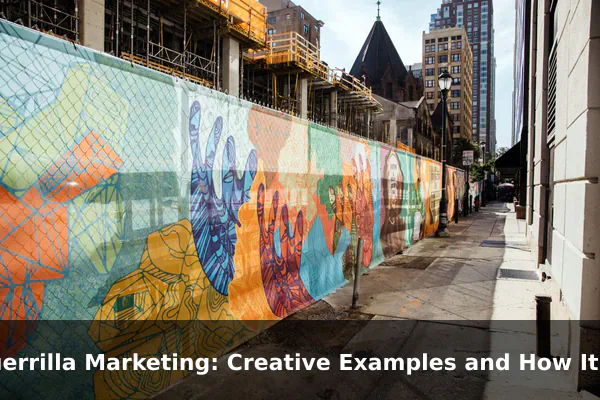
Most marketing budgets compete for the same ad spaces, the same social media feeds, and the same search results. Guerrilla marketing takes a completely different approach. Instead of buying attention, it earns it through creativity, surprise, and the kind of moments people feel compelled to photograph, share, or simply talk about.
The term was coined in the 1980s by business writer Jay Conrad Levinson, who borrowed the concept from unconventional military tactics — small forces achieving outsized impact through clever strategy rather than brute force. Today, guerrilla marketing describes any campaign that uses unexpected methods, unconventional environments, or high-impact creativity to reach an audience, often at far lower cost than traditional media. This guide explains how it works, why it resonates, and what both big brands and small businesses can learn from it.
What Guerrilla Marketing Really Means

Guerrilla marketing is a promotional strategy that creates memorable experiences in unexpected places. Instead of broadcasting a message through television, print, or paid digital ads, it places that message directly in the audience’s physical or digital world — often in a way that feels surprising, playful, or even artistic.
Three traits define it:
- Unconventional placement — campaigns appear where audiences do not expect advertising: sidewalks, staircases, parks, public transit, or social feeds.
- Low relative cost — the creative idea does the heavy lifting instead of a large media buy, which is why startups and local businesses often favor the approach.
- High shareability — the best executions prompt people to capture and share the moment, effectively multiplying reach for free.
Guerrilla marketing differs from traditional advertising because it disrupts passivity. A billboard is seen; a guerrilla activation is experienced. It also differs from experiential marketing, which tends to be larger, ticketed, or invitation-based. Guerrilla tactics are typically discovered by audiences in the wild, without prior notice.
Why Guerrilla Marketing Works on Audiences
People have developed strong filters against conventional advertising. Banner blindness, ad-skipping, and the general noise of modern media mean that many campaigns are simply never processed. Guerrilla marketing bypasses these filters by triggering genuine surprise.
When something unexpected enters our environment, attention snaps toward it automatically. If the unexpected thing is also amusing, beautiful, or emotionally resonant, memory formation follows. Add a social element — something worth showing a friend — and the campaign gains sharing momentum that no paid placement can easily replicate.
Emotion and Word-of-Mouth
Campaigns that produce a real emotional reaction — delight, nostalgia, laughter, admiration — tend to be retold. Word-of-mouth is one of the most trusted forms of recommendation, and guerrilla marketing is deliberately engineered to be worth talking about. A well-placed street installation or a clever sidewalk illusion gives people a story to carry with them long after the moment passes.
Common Types of Guerrilla Marketing
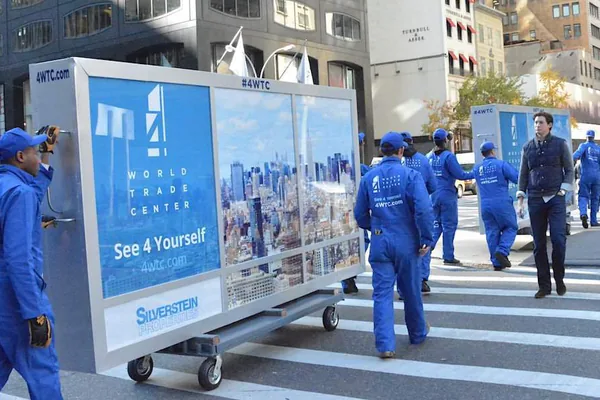
Guerrilla marketing covers a wide range of formats. Understanding the major types helps brands choose the approach that best fits their audience, budget, and message.
Ambient Marketing
Ambient marketing integrates brand messages into everyday environments — benches, stairs, elevator doors, drain covers — in ways that feel organic rather than intrusive. A coffee brand painting a steam design over a real manhole cover is a classic ambient example that communicates product warmth without a single word of copy.
Street and Stunt Marketing
Live activations in public spaces, such as flash mobs, branded pop-ups, or surprise performances, fall into this category. These stunts attract live crowds and generate social media content simultaneously, compressing awareness and engagement into a single event.
Viral and Digital Guerrilla Tactics
Online, guerrilla thinking shows up as unexpected brand cameos in trending content, creative responses to viral moments, or community-driven challenges designed to spread organically. The cost is minimal; the payoff depends entirely on timing and cultural relevance.
Grassroots and Local Campaigns
Small businesses often use hyper-local guerrilla approaches: chalk art near a new storefront, creative window displays, or coordinated neighborhood efforts that feel genuine rather than corporate. These tactics build local word-of-mouth faster than most paid alternatives.
Creative Guerrilla Marketing Examples
Real campaigns illustrate why this approach can be so effective. Each example below earned attention not through spend, but through the strength of a single idea executed with precision.
- IKEA’s public park makeover — IKEA has furnished real bus stops and public spaces with its products, turning functional furniture demos into memorable urban moments. Passersby sit, interact, and photograph the setup, generating organic coverage far beyond what a standard ad would achieve.
- 3M’s unbreakable glass bus shelter — To demonstrate the strength of its security film, 3M filled a bus shelter floor with fake banknotes and challenged the public to break through. The activation drew massive attention and communicated a product benefit far more convincingly than any brochure could.
- McDonald’s pavement coffee spill — A painted pavement scene depicting a giant spilled coffee cup leading toward a nearby McCafé entrance guided morning commuters with humor and directional clarity simultaneously.
- Deadpool’s low-budget social campaign — The Deadpool franchise used deliberately irreverent, low-production social media posts that perfectly matched the character’s voice and went viral before any major trailer was released — a guerrilla mindset applied entirely in the digital space.
What every example shares is a tight connection between the creative idea and the brand’s actual message. The tactic amplified something true about the product rather than simply grabbing attention for its own sake.
Benefits for Brands and Small Businesses
Guerrilla marketing appeals to businesses that need impact without large advertising budgets. The main advantages include:
- Cost efficiency — A strong idea costs far less than a prime-time television spot while potentially reaching a comparable audience through sharing.
- Brand personality — Unconventional campaigns communicate confidence, creativity, and character — qualities that are difficult to fake in traditional advertising formats.
- Earned media — A well-executed activation often gets picked up by local press, blogs, and social accounts without any paid placement.
- Local visibility — For small businesses, placing something clever within a specific neighborhood creates awareness among exactly the right audience.
- Deeper engagement — People participate in guerrilla moments rather than passively receiving a message, which strengthens the brand impression.
Risks, Limits, and What Can Go Wrong
Guerrilla marketing is not without pitfalls. Understanding the risks is as important as recognizing the opportunities.
Legal and Permit Issues
Placing materials on public property or staging public performances without authorization can result in fines or forced removal. Always check local regulations and secure permits where required before any outdoor activation.
Reputation Misfire
A campaign that misreads cultural context, relies on shock value without purpose, or feels invasive rather than clever can damage brand perception quickly. What one audience finds funny, another may find offensive or threatening. The tone of any guerrilla execution must match the brand’s identity.
Execution Quality
Guerrilla campaigns live or die on execution. A clumsy stunt, an ambient installation that looks cheap, or a digital campaign that feels forced can reinforce exactly the opposite of the intended impression. The idea and the craft must both be strong.
How to Plan a Guerrilla Marketing Campaign
A practical planning framework prevents most common failures and keeps creative energy focused on results:
- Define the audience — Know where your audience physically or digitally gathers, and what captures their attention in those contexts.
- Lock in the core message — The creative idea should communicate one specific point clearly. Guerrilla marketing that tries to say too much says nothing.
- Choose the right format — Match the type of activation to the audience, location, and budget. Not every campaign needs to be a street stunt.
- Check permissions — Research legal requirements before execution, especially for outdoor or public space activations.
- Build in shareability — Design the campaign so that capturing it with a phone feels natural and rewarding for the audience.
- Set success metrics — Whether the goal is foot traffic, social impressions, press coverage, or direct sales, define measurable outcomes before launch.
- Document everything — Have your own photographer or videographer present to capture quality content you control, regardless of what the public shares.
When Guerrilla Marketing Is the Right Choice
Guerrilla marketing fits best when a brand has a strong creative identity, a clear audience, and a message that benefits from demonstration rather than declaration. It suits new product launches, local awareness campaigns, and brand repositioning efforts where earned media is more valuable than paid reach.
It is less suited to industries where tone and trust matter above novelty. Healthcare, financial services, or legal services rarely benefit from unconventional stunts, and a guerrilla campaign that feels out of character is worse than no campaign at all.
Small businesses with tight budgets and a well-defined local audience are often the ideal candidates. The constraints that make guerrilla marketing appealing — limited funds, need for differentiation, desire for community connection — are precisely the conditions that push the best creative thinking.
Ultimately, guerrilla marketing is not about being outrageous for its own sake. It is about finding the most human, unexpected, and memorable way to show an audience something true about what you offer — and trusting that a single great idea, well executed, can travel further than any media budget alone.
